NBA Parlay Betting Strategies: Building Multi-Leg Accumulators
 Available in US
The screenshot still lives in my phone’s camera roll – a 6-leg NBA parlay paying £1,847 from a £10 stake. January 2022. Every leg hit, including a Denver cover that came down to a meaningless free throw with four seconds remaining. I felt like a genius for approximately 48 hours, until the next five parlays lost consecutively and reality reasserted itself.
Parlays – or accumulators as we call them in the UK – combine multiple bets into a single wager where every selection must win. The appeal is obvious: small stakes can produce life-changing returns. The mathematics, however, tell a more sobering story. Bookmakers love parlay bettors because the compounding juice across multiple legs creates substantial house edges.
That said, I haven’t abandoned parlays entirely. After years of tracking, I’ve identified specific situations where multi-leg bets offer genuine value rather than just entertainment. The key lies in understanding when correlation works in your favour and when the mathematics simply don’t support the wager.
Understanding Parlay Mechanics
My first parlay ever was a 4-legger at roughly 13/1 odds. I didn’t understand why the payout seemed lower than I’d calculated by multiplying individual odds together. The answer lies in how bookmakers price parlays – and it’s not always in your favour.
Each leg in a parlay carries its own juice, typically around -110 or 1.91 in decimal odds. When you multiply these together, the house edge compounds. A 2-leg parlay at standard -110 odds on both sides should mathematically pay 3.64 to 1, but most books pay closer to 2.64 to 1. That gap is pure profit for the sportsbook.
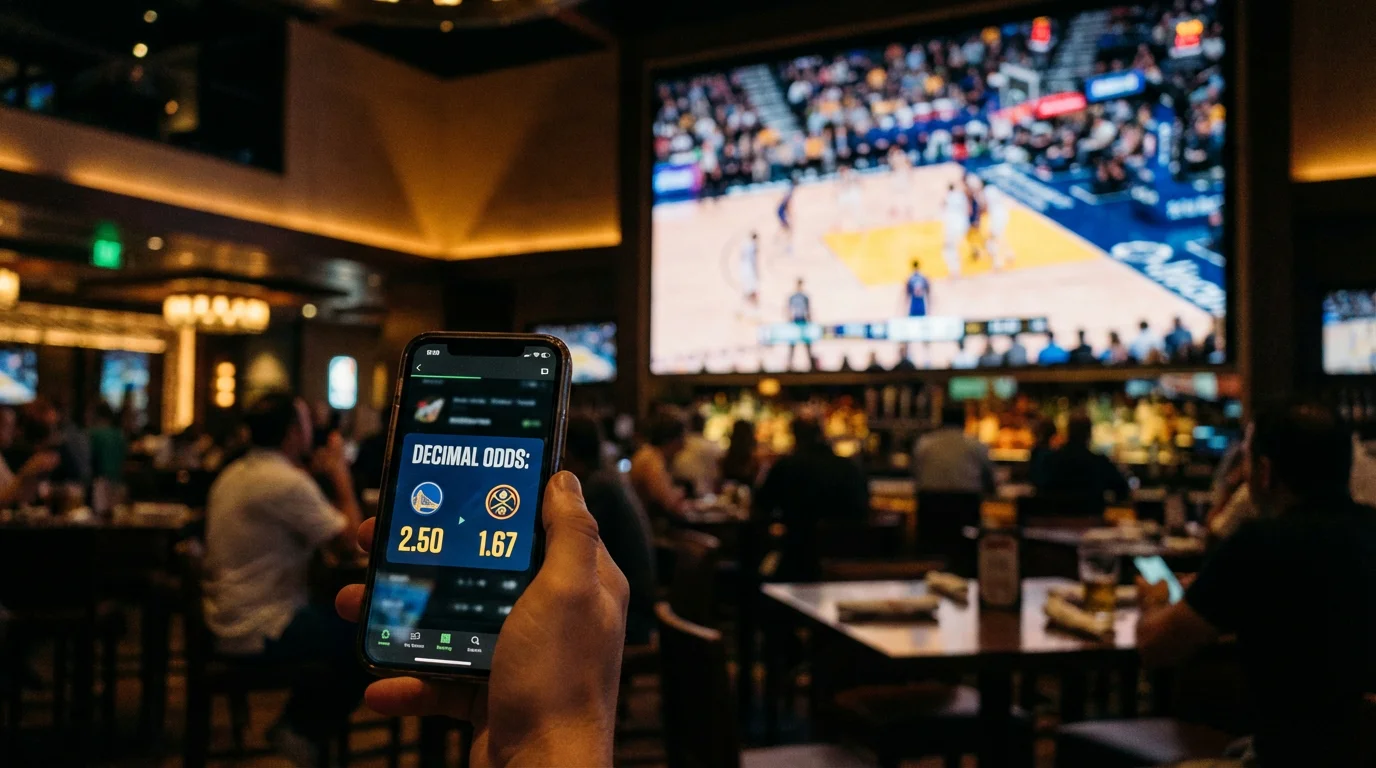
The multiplication works like this: two legs at 1.91 decimal odds each equals 1.91 × 1.91 = 3.65. Add a third leg and you’re at 6.97. A fourth pushes to 13.31. The numbers grow exponentially, which explains why 10-leg parlays can pay thousands to one – but also why they almost never hit.
What I’ve learned tracking thousands of parlays: the break-even win rate for a 2-leg parlay sits around 27.5%, assuming fair -110 odds. For a 3-legger, it drops to roughly 14.3%. By the time you reach 5 legs, you need to hit approximately 4% of your parlays just to break even. These percentages assume zero edge on individual selections – if you’re not beating the closing line on your single bets, parlays only magnify your losses.
UK bookmakers sometimes offer “parlay insurance” or “acca boosts” that marginally improve payouts. These promotions can shift the mathematics slightly in your favour for specific bet types, but they rarely overcome the fundamental house edge on longer parlays.
Correlated Parlays and Market Edges
Here’s where parlay betting gets genuinely interesting. Traditional parlays assume independent outcomes – the Celtics covering has no bearing on whether the Lakers cover. But what if outcomes are actually correlated?
Consider this scenario: you believe the Suns will dominate Phoenix’s game, winning by 20+ points. If that happens, the game total almost certainly goes over because blowouts typically feature high combined scores. Betting Suns spread and the over creates positive correlation – if one hits, the other becomes more likely. Machine learning models analysing NBA betting have demonstrated that identifying these correlations can generate significant edges, with some research showing simulated profits of $150,000 from $100 initial stakes by exploiting market inefficiencies.
The problem? Most bookmakers now restrict obviously correlated parlays or adjust odds to eliminate the edge. Same-game parlays exist precisely because books can control correlation pricing. But cross-game correlations are harder to police.
Correlations I look for: teams playing back-to-back nights often show fatigue patterns that affect both spread and total outcomes. If I’m betting against a fatigued team, I might parlay their opponent’s spread with the under, expecting lower-quality basketball from tired legs. Divisional matchups often produce tighter, lower-scoring games – another correlation opportunity.
The academic research supports this approach. Studies on NBA betting markets show that while Vegas oddsmakers are generally accurate, profitable strategies exist for bettors who can identify systematic biases. Correlation exploitation is one such strategy, though it requires disciplined tracking and substantial sample sizes to validate.
Finding the Optimal Parlay Size
I used to chase 8 and 10-leg parlays, seduced by the massive potential payouts. My records from that period are embarrassing – dozens of near-misses where 7 of 8 legs hit, producing exactly zero return. The emotional toll of consistent near-misses eventually forced me to reassess.
The mathematical sweet spot for parlays, if one exists, sits at 2-3 legs. Here’s my reasoning: with two legs, you’re multiplying small edges rather than compounding large house advantages. If you genuinely have a 54% win rate on individual bets (a solid edge), a 2-leg parlay of those bets carries roughly 29% hit rate – challenging but achievable.
Beyond three legs, the variance becomes brutal. You need everything to go right simultaneously, and NBA games contain too much inherent randomness for that consistency. A starter tweaks an ankle in warmups. A referee crew calls the game tight. A shooter who averages 40% from three goes 1-for-9. Each leg adds another failure point.
My current approach: I treat 2-leg parlays as an alternative to larger single bets, using them when I have strong conviction on multiple games but want to limit total exposure. Three-leg parlays are reserved for situations where I’ve identified genuine correlation between outcomes. Anything beyond three legs is purely entertainment money – a small stake I’m prepared to lose entirely.
One strategy that’s worked reasonably well: parlaying moderate moneyline favourites rather than spreads. Three teams at -150 each creates a parlay paying around 4.4 to 1, and moderate favourites win often enough to make the maths work if you’re selective about which games qualify.
Same-Game Parlays: A Different Beast
Same-game parlays – combining multiple bets from a single NBA contest – have exploded in popularity. Every major bookmaker now offers them, and the marketing suggests they’re a path to easy profits. The reality is considerably more complex.
When you parlay spread, total, and player props from the same game, the bookmaker adjusts odds to account for correlation. They’re not offering true parlay odds because the outcomes are obviously linked. If you bet a team to win big and their star to score 30+, those outcomes correlate positively – the book prices this in, reducing your payout.
Where same-game parlays can offer value is in identifying correlations the algorithm underprices. Perhaps a backup point guard’s assist prop is set based on season averages, but tonight’s matchup suggests his team will run more pick-and-roll actions. Combining that with the team spread creates potential correlation the pricing model might miss.
For a deeper exploration of combining player performance markets with game outcomes, the dedicated same-game parlay guide covers specific construction strategies and common pitfalls in detail. The short version: same-game parlays require even more research than traditional multi-game accumulators, and the house edge is typically higher. Use them sparingly and only when you’ve identified specific market inefficiencies.
What is the best number of legs for an NBA parlay?
Two to three legs offers the optimal balance between payout potential and realistic hit rates. Beyond three legs, variance becomes extreme and the compounding house edge makes consistent profitability nearly impossible.
Are correlated parlays allowed in NBA betting?
Traditional cross-game correlated parlays are generally allowed, though bookmakers may limit obviously correlated same-game combinations. The key is finding correlations between different games that the market hasn’t fully priced in.
How do same-game parlays work in the NBA?
Same-game parlays combine multiple bets from a single contest – such as spread, total, and player props. Bookmakers adjust odds to account for correlation between outcomes, typically resulting in lower payouts than independent leg multiplications would suggest.
Published by the nba Betting Chart team.