NBA Halftime Betting Strategy: Second Half Spreads and Totals
 Available in US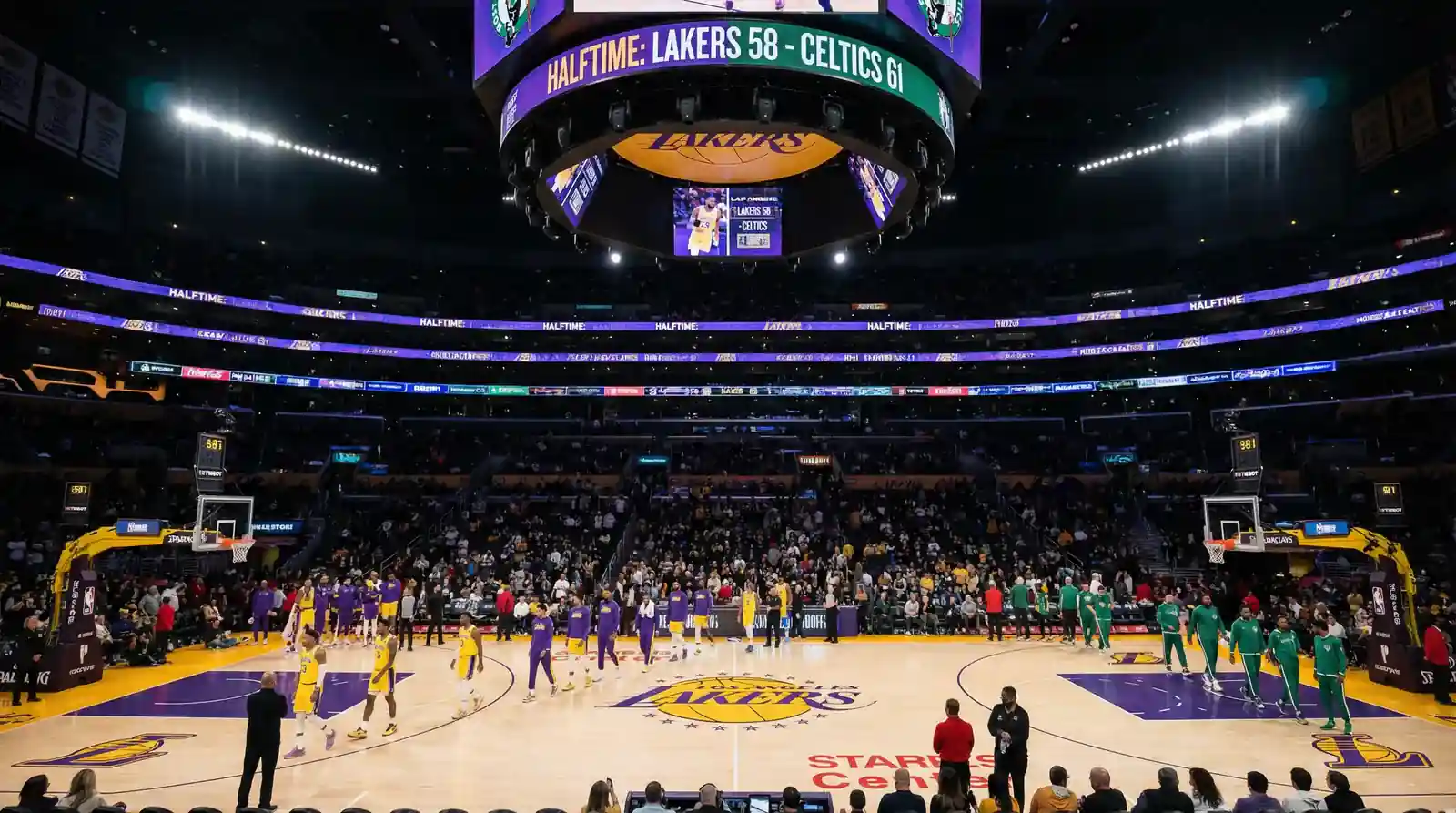
Halftime of a February Sixers game, and I’m watching the score: Philadelphia down 14 to a mediocre Hornets squad. The second half line shows Sixers -1.5. My instinct screamed to take Charlotte – they’d dominated the first half, momentum clearly on their side. I resisted that instinct and took Philadelphia. They outscored Charlotte by 19 in the second half.
Halftime betting operates in a compressed universe where 24 minutes of basketball have already revealed information, but 24 more remain to be played. The lines adjust based on first-half performance, but they also account for expected regression, coaching adjustments, and the natural tendency of NBA games to tighten. Reading these dynamics correctly creates opportunities the full-game market doesn’t offer.
After years of halftime betting, I’ve developed strong convictions about when these markets offer genuine value and when they’re simply traps disguised as opportunity.
How Halftime Lines Work
Halftime lines predict second-half performance only – the first half score is already decided and irrelevant to your bet. If the halftime spread shows Lakers -2.5, you’re betting the Lakers outscore their opponent by 3 or more in the second half, regardless of who led at the break.
Bookmakers generate halftime lines using the same frameworks as full-game spreads, adjusted for what the first half revealed. If a team’s star player picked up early foul trouble, that factors in. If one team shot unusually hot from three, regression expectations affect the number. The line represents the bookmaker’s best estimate of second-half margin.
The calculation isn’t simply “full game spread minus first half result.” A team that was -6 for the full game and trails by 10 at halftime won’t necessarily be -4 for the second half. The bookmaker evaluates whether the first half reflected sustainable performance or statistical anomaly – then prices accordingly.
Juice on halftime lines typically mirrors full-game markets: -110 on both sides of spreads and totals. Some books shade halftime markets more heavily given lower liquidity and less sharp action to correct mispricing. This means finding value requires sharper edges than full-game betting demands.
Timing matters intensely. Halftime lines are available briefly – usually 15-20 minutes of actual betting window. You can’t research for hours; decisions must happen quickly based on what you observed in the first half combined with pre-existing knowledge about the teams involved.
Coach Adjustments and Second Half Dynamics
What happens in NBA locker rooms at halftime dramatically affects second-half outcomes. Coaches review first-half film, identify defensive breakdowns, and implement tactical adjustments. The team that seemed helpless in the first half might execute an entirely different approach in the third quarter.
Elite coaching staffs are particularly dangerous when trailing. The Spoelstras and Kerrs of the league have track records of second-half adjustments that flip game dynamics. When I see a well-coached team down by double digits against an inferior opponent, my default assumption is that adjustments are coming – and the halftime line often doesn’t fully price this in.
Research shows about 19% of NBA games are decided in the fourth quarter alone, which tells you how much scoring and margin can shift after halftime. A 15-point halftime lead provides far less security than casual observers assume. The game isn’t half over in terms of competitive dynamics – it’s barely begun in terms of coaching chess matches.
Specific adjustments I watch for: defensive scheme changes (switching to zone, trapping ball handlers, changing pick-and-roll coverage), rotation modifications (bringing bench players earlier or later than first-half patterns), and pace manipulation (speeding up or slowing down based on what favours whom). Evidence of these adjustments in early third-quarter action often confirms halftime betting theses.
The flip side: some coaching staffs are notoriously slow to adjust or philosophically rigid. Betting on these teams to continue first-half struggles – or for opponents to maintain dominance – carries different probabilities than betting on adaptable staffs.
Second Half Totals Strategy
Second-half totals offer a distinct betting landscape from second-half spreads. The question shifts from “who performs better” to “how much combined scoring happens.” Different factors drive each market.
First-half pace provides crucial information. If both teams pushed tempo and combined for 125 first-half points, the second-half total might seem destined for overs. But regression matters – that pace likely isn’t sustainable, and fatigue accumulates. Conversely, a grinding defensive first half might see totals open up as tired legs compromise defensive intensity.
Foul situation affects totals significantly. If star players carry foul trouble into the second half, coaches often play them cautiously early in the third quarter, reducing overall quality and sometimes pace. Four fouls on a primary scorer changes both team’s approach in ways that ripple through total expectations.
I’ve found second-half unders more reliable than overs in specific scenarios: both teams shot unsustainably well from three in the first half, the first half featured unusually few fouls and whistles, or one team built a large lead that will trigger garbage-time minutes with reserves. Each situation suppresses second-half scoring relative to first-half pace.
The window for second-half total analysis is brutally short. I pre-identify situations where I’ll bet overs or unders based on first-half results, then execute quickly when halftime arrives. Trying to do fresh analysis in 15 minutes leads to rushed decisions and missed value.
Finding Value in Blowout Situations
Blowout halftimes create counterintuitive value. When one team leads by 25 at the break, the instinct is to assume they’ll cruise. But the second-half line doesn’t ask whether they’ll win – it asks whether they’ll extend their margin. Often, they won’t.
Teams with massive leads frequently shift to coasting mode. Starters get rest, pace slows, intensity drops. Meanwhile, the trailing team might press harder knowing the game matters for morale and development even if the outcome is sealed. These dynamics consistently favour the team that’s behind in terms of second-half margin.
My database shows strong results betting halftime underdogs when the first-half margin exceeds 18 points. Not because they win games – they almost never do – but because they win second halves at a profitable rate. A team down 22 at halftime and listed at +5.5 for the second half only needs to “lose” the second half by 5 or fewer to cover.
Totals in blowouts present similar dynamics. Garbage time with reserves playing often produces lower-scoring basketball than the starters generated. Second-half unders in established blowouts have been quietly profitable across seasons of tracking.
The key is identifying genuine blowouts versus competitive games that merely had lopsided first halves. Team quality differential matters – an elite team up 20 on a bad opponent is a true blowout. Two evenly-matched teams with a 20-point first-half margin is more likely to see competitive intensity return. For frameworks integrating halftime analysis with broader game assessment, the live betting strategy guide covers real-time decision-making approaches.
How do NBA halftime lines differ from full game lines?
Halftime lines predict second-half performance only, independent of the first-half score. They’re generated fresh based on what the first half revealed – player foul situations, sustainable versus anomalous shooting, coaching adjustments expected – not simply derived from pre-game spreads.
Are second half NBA bets more profitable?
Second half bets offer distinct opportunities rather than inherently better value. Coaching adjustments, blowout dynamics, and regression from first-half extremes create situations the market sometimes misprices. However, the compressed betting window and lower liquidity demand faster, more confident analysis.
What happens to halftime bets if a game is cancelled?
If a game is cancelled or suspended after halftime, halftime bets are typically settled based on the second-half score already completed. Specific rules vary by bookmaker – check your operator’s terms for their policy on interrupted games and partial settlements.
Created by the ”nba Betting Chart” editorial team.