NBA Assists Props Strategy: Betting on Playmaker Performance
 Available in US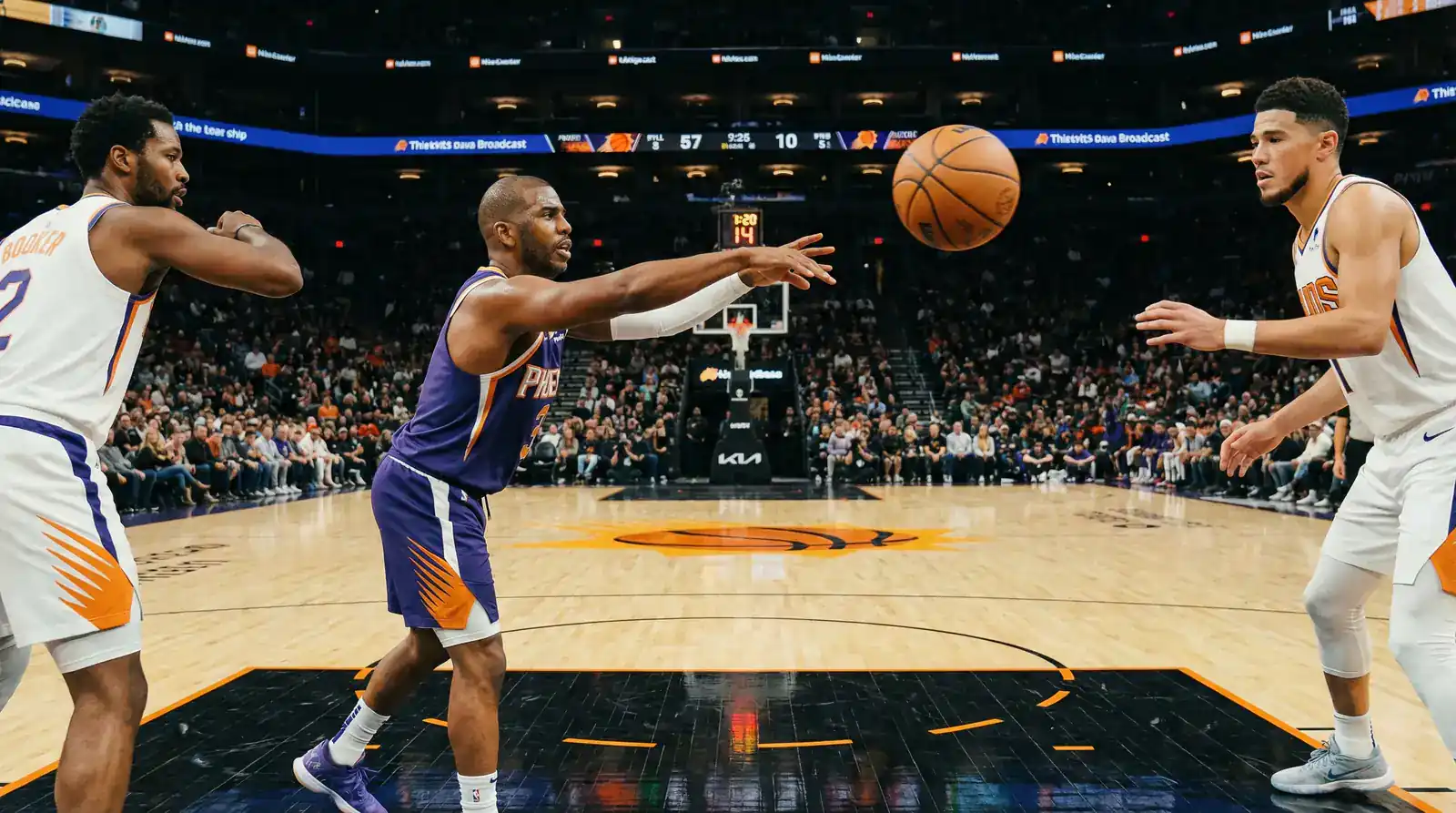
Assists props nearly broke me before they made me money. I kept betting point guard overs based on season averages, ignoring the fundamental reality that assists depend on other players making shots. A playmaker can create perfect opportunities all night; if teammates brick those looks, the assists don’t register. The stat requires two people to succeed.
Once I understood this dependency, assists props became one of my more consistent markets. The bookmaker sets lines based on player averages, but actual assist outcomes depend heavily on factors outside that player’s control – teammate shooting, game script, opponent defensive schemes. Finding situations where these external factors diverge from baseline expectations creates betting value.
This guide explains how I analyse assists props, focusing on the variables that drive outcomes above or below posted lines.
What Creates Assist Opportunity
An assist requires a pass that directly leads to a made basket. This definition matters because assist opportunity depends on offensive system, player role, and usage patterns more than raw playmaking ability.
System design affects assist distribution fundamentally. Motion offences spread assists across multiple players. Isolation-heavy attacks concentrate touches but reduce assist opportunities for everyone – the isolation scorer doesn’t get assists on his own baskets. Pick-and-roll systems funnel assists through the ball handler and occasionally the rolling big man.
A player’s assist potential correlates with his usage rate and role within the system. Primary ball handlers see more assist opportunities than wing scorers who catch and shoot. Point guards running the offence create chances that shooting guards spotting up never access. Position and role define opportunity ceiling.
I evaluate assist potential through “potential assists” data where available – passes that lead to shot attempts regardless of whether those shots fall. A player generating 15 potential assists per game but recording only 8 actual assists has teammates shooting poorly on his creation. That gap represents volatility in his assist outcomes driven by teammate performance rather than his own playmaking.
Minutes matter linearly for assists just like rebounds. A point guard playing 38 minutes has fundamentally different assist potential than one playing 28. I project minutes before anything else, then layer other factors onto that baseline expectation.
Teammate Shooting and Assist Correlation
Teammate shooting is the hidden variable in assists props. A point guard can run perfect pick-and-roll, creating wide-open corner threes all night. If the shooter goes 2-for-10 from three instead of his usual 5-for-10, that’s three assists that disappeared through no fault of the playmaker.
I track team shooting by lineup combinations when possible. Some playmakers have their assists boosted by sharing the floor with elite shooters. Others create looks for inconsistent finishers whose conversion rates swing wildly. The former produces reliable assist outcomes; the latter introduces variance that makes prop betting riskier.
Injury context reshapes shooting landscapes. When a team’s best shooter sits out, the playmaker loses his most efficient finishing option. Assists might drop even if the playmaker’s creation stays constant – he’s now passing to replacement shooters who convert at lower rates.
Hot and cold shooting stretches create short-term prop opportunities. A team that shot 28% from three over their last three games will likely regress toward league average. If their point guard’s assist line reflects the cold stretch, there’s value on the over as shooting normalises. Conversely, a team on an unsustainable heater might see assist props set too high.
The correlation cuts both ways: teammates shooting well boost assists, but playmakers also influence teammate shooting by creating quality looks. Disentangling these effects is genuinely difficult. I focus on situations where external factors – shooter injury, cold streak regression, defensive matchup – provide cleaner edges than trying to model the full interaction.
Defensive Matchup Factors
Defences attack assist-heavy playmakers specifically. Some schemes blitz ball handlers to force turnovers rather than allowing orchestration. Others switch everything to prevent the clean passes that generate easy assists. Understanding what defence the playmaker faces tonight shapes assist expectations.
Teams vary dramatically in assists allowed to opposing point guards. Some leak easy assists through poor pick-and-roll coverage; others suffocate playmakers with aggressive trapping. I maintain opponent assist allowed data that reveals these tendencies – certain defences consistently inflate opposing point guard assists while others suppress them.
Individual defender matchups matter less for assists than for scoring props. Assists depend on team defensive scheme more than one-on-one battles. However, when an elite perimeter defender hounds a playmaker all night, the discomfort affects passing rhythm and decision-making in ways that reduce assist efficiency.
Pace affects assists through opportunity creation. More possessions mean more chances to generate assists. But pace also interacts with defensive scheme – some teams play fast to avoid halfcourt sets where their defensive weaknesses show. These fast-paced teams might allow assists differently than their overall tempo suggests.
Back-to-back fatigue compounds for playmakers. Creating assists requires reading defences, making split-second decisions, and executing precise passes. All of these suffer when mental and physical fatigue accumulates. Playmakers on schedule disadvantages see assist rates dip more reliably than scoring rates in my tracking.
Blowout Risk and Minute Reduction
Blowouts devastate assists props in ways that don’t equally affect other statistics. When a game becomes lopsided, the leading team’s playmakers sit on the bench for the entire fourth quarter – sometimes longer. Those lost minutes directly reduce assist totals that would have accumulated in competitive games.
Research shows approximately 19% of NBA games are decided in the fourth quarter, meaning most games remain competitive enough to keep starters on the floor. But the other 81% includes enough blowouts to create meaningful prop risk. A team favoured by double digits has elevated blowout probability that threatens star playmaker props.
The effect is asymmetric. In blowouts where a playmaker’s team leads, his minutes get cut. In blowouts where they trail, coaches sometimes leave starters in longer to evaluate competitive effort – though this varies by coaching philosophy and season context. I account for both scenarios when evaluating prop risk.
Certain playmakers carry higher blowout vulnerability than others. Elite point guards on elite teams face this problem constantly – their teams win big often enough that fourth-quarter rest is routine. Meanwhile, playmakers on mediocre squads play more complete games because competitive outcomes keep starters on the floor.
When betting assists overs, I discount lines for playmakers on heavy favourites. The assist opportunity lost to blowout rest needs to be priced into my expectations. A line that looks beatable based on averages might be fair once blowout probability factors in. For integrating game-script awareness into prop analysis more broadly, the player props guide covers systematic approaches.
What factors affect NBA assists props?
Assists depend on multiple factors beyond playmaker skill: teammate shooting efficiency determines conversion of created opportunities, opponent defensive scheme affects playmaking freedom, game script and blowout risk influence playing time, and pace creates more or fewer assist opportunities through possession volume.
How do blowouts impact assist totals?
Blowouts significantly reduce assists for playmakers on leading teams because starters sit during garbage time. Fourth-quarter rest in lopsided games eliminates minutes where assists would accumulate. Heavy favourites carry elevated blowout risk that threatens assist prop overs.
Which positions get the most assists in the NBA?
Point guards dominate assist statistics by design – they’re primarily responsible for initiating offence and creating for teammates. Primary ball handlers at any position see elevated assist opportunities, while off-ball players who catch and shoot have minimal assist potential regardless of skill.
Published by the nba Betting Chart team.