NBA Decimal Odds UK: Converting and Understanding Basketball Betting Prices
 Available in US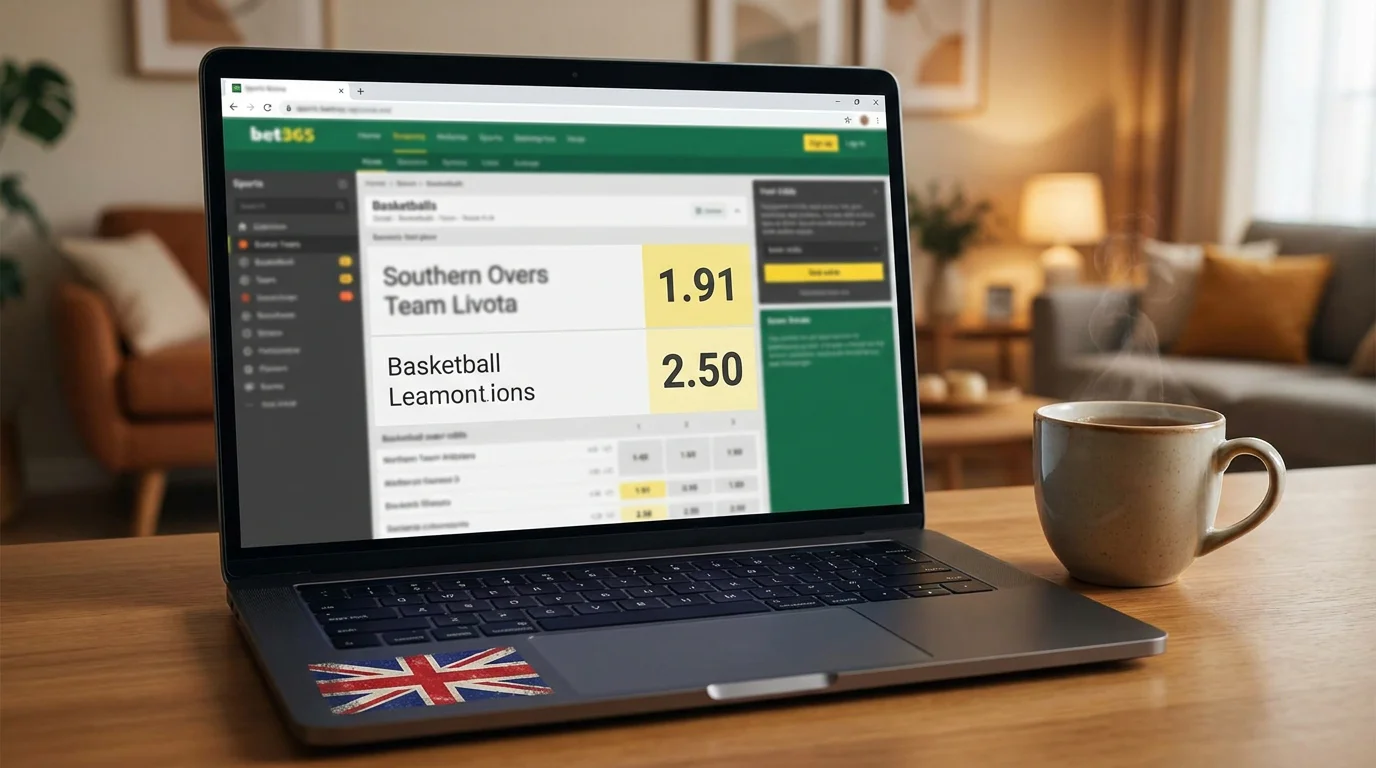
The first time I tried following American NBA betting content, I thought my brain would melt. Lakers -180, Celtics +240, totals at -110/-110 – what did any of this mean? Coming from UK football betting where decimal odds ruled everything, American odds format felt deliberately obtuse, like the yanks had decided to complicate something that should be simple.
Six months later, I was fluent in both systems. The conversion became automatic – see -150, think 1.67. But those early weeks of fumbling cost me money through misunderstood odds, botched calculations, and misguided bets where I hadn’t properly computed what I was risking to win what.
This guide exists to spare you that learning curve. UK bettors have enough disadvantages in NBA markets – time zones, lower liquidity, less access to sharp lines – without adding mathematical confusion to the list.
Decimal Odds vs American: The Core Difference
Decimal odds show your total return per unit staked, including your original stake. Odds of 2.50 mean a £10 bet returns £25 total – your £10 stake plus £15 profit. The number directly represents the multiplication factor for your stake.
American odds use a different logic entirely. Positive numbers show profit on a £100 stake: +150 means £150 profit from £100 risked. Negative numbers show how much you must stake to win £100: -150 means risking £150 to win £100 profit. The asymmetry between positive and negative numbers is what creates confusion for UK bettors.
The commission – known as “vig” or “juice” in American parlance – typically runs around 4.5% on NBA spreads. Standard pricing shows -110 on both sides of a spread, which converts to 1.91 in decimal. If the true probability were 50/50, fair decimal odds would be 2.00. That gap from 1.91 to 2.00 represents the bookmaker’s margin on each side.
Why does any of this matter? Because most NBA betting analysis, strategy content, and sharp bettor discussion happens in American odds format. Twitter threads about line movement, podcasts discussing spread values, and betting forums all default to American notation. To participate meaningfully in that discourse – and to access some of the best betting intelligence available – you need conversion fluency.
I still think in decimal. After years of UK betting, my brain processes 1.91 faster than -110. But I convert incoming information automatically and can discuss either system with equal comfort. That bilingual capability has proven invaluable.
Conversion Formulas You’ll Actually Use
I’ll give you the formulas, but honestly, memorising a handful of key conversions covers 90% of practical situations. Here’s both approaches.
For positive American odds, the formula is: Decimal = (American / 100) + 1. So +150 becomes (150/100) + 1 = 2.50. For negative American odds: Decimal = (100 / absolute American value) + 1. Thus -150 becomes (100/150) + 1 = 1.67.
The conversions you’ll encounter constantly: -110 equals 1.91 (standard spread/total juice). -150 equals 1.67 (moderate favourite). -200 equals 1.50 (heavy favourite). +150 equals 2.50 (moderate underdog). +200 equals 3.00 (significant underdog). +100 equals 2.00 (even money, also called “pick ’em”).
For fractional odds conversion – still common at traditional UK bookmakers – decimal equals (numerator / denominator) + 1. So 3/1 becomes (3/1) + 1 = 4.00. Evens (1/1) becomes 2.00. The fraction 6/4 converts to 2.50.
I keep a conversion table bookmarked on my phone for quick reference during live betting situations when speed matters. But over time, the common conversions become instinctive – you’ll see -160 and immediately think “about 1.63, so roughly 60% implied probability” without conscious calculation.
One practical tip: most smartphones have scientific calculators that handle these conversions quickly. When I’m evaluating an unfamiliar line, I punch in the formula rather than relying on mental maths. Getting the number right matters more than looking clever.
Implied Probability: The Number That Matters
Odds tell you what the bookmaker thinks about probability – or at least, what they want you to think they think. Converting to implied probability strips away the format confusion and reveals what you’re actually being asked to believe.
The formula is straightforward: Implied Probability = 1 / Decimal Odds. At 2.00 decimal, implied probability equals 50%. At 1.50, it’s 66.7%. At 3.00, it’s 33.3%. This translation matters because profitable betting requires identifying situations where your estimated probability exceeds the market’s implied probability.
Here’s where the mathematics get interesting. When you add the implied probabilities of both sides of a market, the total exceeds 100%. That excess is the bookmaker’s margin. A spread priced at 1.91/1.91 implies 52.4% on each side, totalling 104.8%. That extra 4.8% represents the house edge.
I evaluate every bet through implied probability before committing. The Lakers at 1.67 decimal implies roughly 60% win probability. Do I believe they win more than 60% of the time in this specific matchup? If yes, there’s potential value. If I’m only 55% confident, the bet offers negative expected value regardless of how much I want them to win.
This framework prevents a common error: betting on outcomes you believe will happen without considering whether the odds justify the bet. A team can be 70% likely to cover and still represent poor value if the odds only imply 65% probability. The gap between “likely” and “good bet” is where bankrolls go to die.
How UK Bookmakers Display NBA Lines
The good news: virtually all UK-licensed bookmakers display NBA odds in decimal format by default. You won’t need to convert on the fly when placing actual bets through British-regulated platforms.
About 10% of the UK population participates in online sports betting, and the infrastructure supporting that market is thoroughly localised. NBA lines appear alongside Premier League, Champions League, and other sports in familiar decimal presentation. The experience feels seamless if you’ve bet on football previously.
Where American odds intrude is in research and analysis. American betting media dominates NBA coverage – the depth and quality exceeds what UK outlets produce for basketball. If you want access to that intelligence, you need American odds literacy. Sharp analysis, line movement discussion, injury impact assessment – it’s overwhelmingly published using American notation.
Some UK bookmakers offer the option to switch display formats in account settings. I leave mine on decimal for actual betting but can toggle to American when comparing lines to discussion I’ve read elsewhere. This flexibility helps when an American analyst recommends a specific line value and I want to verify my bookmaker matches that number.
Liquidity varies between UK platforms for NBA markets. The major operators offer competitive lines on most games, but prop markets and alternative spreads sometimes carry wider margins than you’d find at American sportsbooks. Part of becoming a sophisticated NBA bettor involves understanding these structural differences and their impact on available value. For comprehensive strategies on finding betting edges within these constraints, the spread betting guide covers UK-specific considerations in detail.
How do I convert American NBA odds to decimal?
For positive American odds, divide by 100 and add 1. So +150 becomes 2.50. For negative odds, divide 100 by the absolute value and add 1. Thus -150 becomes 1.67. Standard -110 juice converts to 1.91 decimal.
What do decimal odds mean in basketball betting?
Decimal odds show your total return per unit staked, including your original stake. Odds of 2.50 mean a £10 bet returns £25 total. The number is the multiplication factor for calculating returns directly.
Which UK bookmakers offer NBA betting?
Most major UK-licensed bookmakers offer NBA betting with odds displayed in decimal format. Market depth and prop availability varies between operators, with larger platforms typically providing more comprehensive NBA coverage.
Published by the nba Betting Chart team.